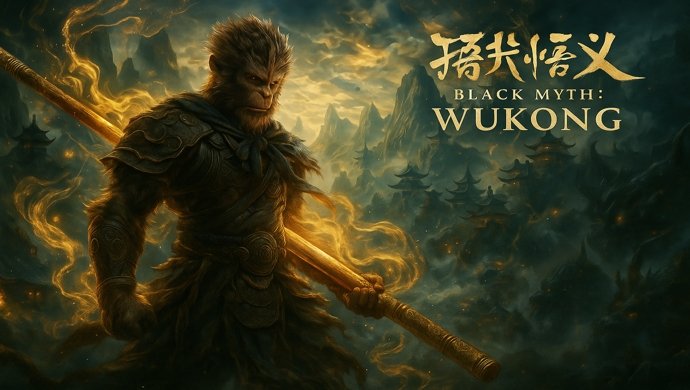
How long is Black Myth: Wukong Between the breathtaking graphics and the punishing, Soulslike combat, the moment-to-moment footage of Black Myth: Wukong has ensnared the gaming world—and now, as we edge toward launch, the community is buzzing over one final hurdle: exactly how long the adventure will last. Game Science has yet to release an official hour estimate, but we can piece together an informed guess by unpacking how the game is built and by eyeing comparable action RPGs.
Breaking Down Wukong’s Estimated Length
Time in Wukong is ultimately governed by how you approach its universe. Pulling the title apart will give us the clearest view:
- Main Story Track: This route is the easiest—focus on the key narrative missions, auto-pilot through cutscenes, and the credits roll. Speedrunners and those who a burn-and-be-done mentality will find this path the most expedient.
- Side Quests and Optional Bosses: Game Science has publicly acknowledged a wealth of side missions and tough-as-nails optional bosses. These diversions don’t just pad the clock; they layer on lore, dish out one-of-a-kind loot, and test skill beyond the bare necessities of the main arc. Choosing to tackle even a fraction of this signature extra asks for a hefty investment of hours, creating a potentially expansive timeline.
- Exploration and Collectibles: The environment teems with hidden trails, cryptic narratives, and upgrade materials just begging to be discovered. Players who relish curating an in-game lore archive and maxing every character skill can easily add double and even triple-digit hours to their records. The moment-to-moment traversal, lore reading, and stat tweaking can easily turn first playthroughs into massive odysseys.
- Let’s frame Wukong’s potential scope by comparing it to established action RPG and soulslike benchmarks.
- Entering the terrain of Sekiro: Shadows Die Twice, the primary narrative clocking in at around 30 hours masks the true depth buried in 70 hours of optional objectives.
- Lies of P echoes that formula, with most players reporting 30-hour speed runs that blossom into 60-hour epics once every last side-quest and lore fragment is chased. Militarized shortcut unlocking, fully kit farming, and lore marathons account for much in that title.
- For those who opted for full completions of massive open-world RPGs like Elden Ring, the journey has climbed to 50-hour central quests, with thorough archival and farming sessions spilling the clock past 130 hours.
Because it employs a level-based architecture instead of a fully open world, Black Myth: Wukong will probably clock its core storyline between 30 and 40 hours. Gamers intent on clearing additional quests and toppling every optional boss may find that total nearing or exceeding 60 hours. That positions the title neatly within the sweet spot of extended yet manageable adventures, delivering enough content to satisfy without the years-long demands of an open-world epic. Anyone craving a woven narrative will see it finished without years of commitment, while meticulous scholars of game mechanics will have the space to perfect every fight and traversal.
how many chapters in black myth wukong
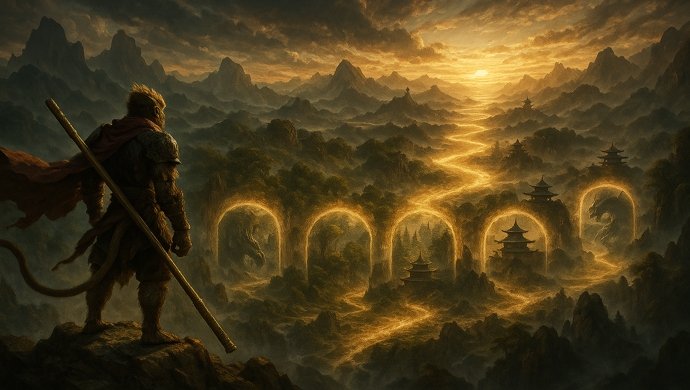
What defines the promise of Black Myth: Wukong’s story arc is the thoughtful division into six chapters—an intentional architecture that reshapes the way players traverse the Western Heavenly Kingdom’s wonders and threats.
Whoever framed this monument was masterful.
The Hexagonal Script
Black Myth: Wukong builds its sprawling legend around six crystalline chapters. Each marks a decisive juncture in the monkey’s ascent from tree-dwelling trickster to weapon-wielding legend. The sixfold pattern is no whimsical flourish—rather a silent grammar that speaks to frequent flashpoints in contemporary action RPG woes.
Each segment serves up four to six contained hours of dense, purposeful adventure. These guardians of time create flexible pause moments, respecting the temper of workdays and school nights without stalling the story’s forward blaze. Envision it as intertwining novella and pilgrimage: pauses arrive, breath is drawn, yet the fire keeps flaring.
Competitive Positioning: Strategic Restraint
Where other titles bloom into sprawling aims or twitch between zones, Wukong neatly bisects the difference. This design lands three lasting dividends: Chapter signposts kill the wandering fatigue that plagues many open worlds; zones carve precise doses of exploration without “look at all of it” numbness; each segment shepherds a specific Journey to the West motif; finally, the Chapter Relay shortcuts select zones again—no need to recount the whole pilgrimage for a missed bauble.
Player-Facing Integrity of the Scheme
The coherency of Wukong’s choice answers a spectrum of gaming appetites. Steambadge-hunters slice through zones, chaining challenge to collectible; lore-bingers drift through scenes untroubled by background quests that mint waste. A title’s dedication to visual remembering executes exactly the promise of visual remembering: each chapter splits—ethereal woods here, hoary stone shrines there—arming the mind with memorable orientation.
Instead of matching the field to the sprawling open worlds of the hour, Wukong shows, by disciplined counterexample, that a tight chapter cradle delivers refined rhythm and lasting play—fordic speed without formless excess.
is black myth wukong a soulslike
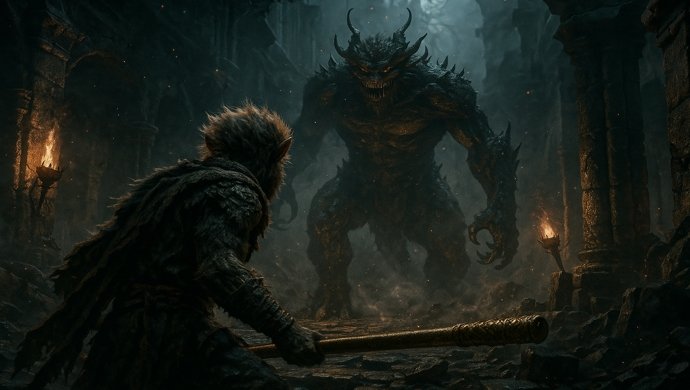
For months after its debut trailer, is Black Myth: Wukong a soulslike? remained the most popular question. The verdict is clear: yes, undeniably, but the template is expanded. Game Science takes the DNA of the genre and weaves in its own threads of invention.
Soul DNA Components
Wukong does not merely pay homage; it internalizes the brutal, euphoric choreography writ large by FromSoftware. What confirms the pedigree?
- Stamina-Controlled Flow: Every attempted parry, swing of the Ruyi Jingu Bang, and flashy meteor leap depletes the same bar. The cadence is a ceremonial waltz; panic presses the coffin lid shut.
- Architects of Punishment: Each titanic adversary is a paint-splattered clockwork of wrath, broken into cross-stitched phases. Learn the gears, time the needle, and the beast is a sparrow. Misstep, and the embroidery is your evisceration.
- Graveyard Rent: Every defeat takes a toll. Thrown bronze coins and pride must be reclaimed footsteps from the spot of your demise. Wukong’s lifeblood candles sit in Shamanic shrines, resetting the myriad foes and tampering your tilt by the press of a button.
How Wukong Sets Itself Apart
While Wukong operates within a soulslike framework, it sidesteps the often-repeated template of cloning Dark Souls by leaning heavily on the Journey to the West source material. The game smartly offsets familiarity by grafting mythic, story-embedded abilities onto its protagonist.
Highlighting that divergence is the shapeshifting spellcraft. Readiness to adopt different animals fundamentally alters movement and tactical decision, echoing the versatility of Sekiro’s prosthetic attachments without reverting to the more linear faith/strength/skill builds seen across the Dark Souls saga. The gameplay rhythm feels fresher, dynamic, and layered long after character stats are set.
In the final analysis, Black Myth: Wukong is indeed a soulslike—more accurately, a respectful heir that learns from its predecessors. By enforcing the genre’s steely discipline and fusing that with folklore’s wild possibilities, it clears new ground while the shadows of its predecessors march quietly behind it.
what bosses are mandatory in black myth wukong
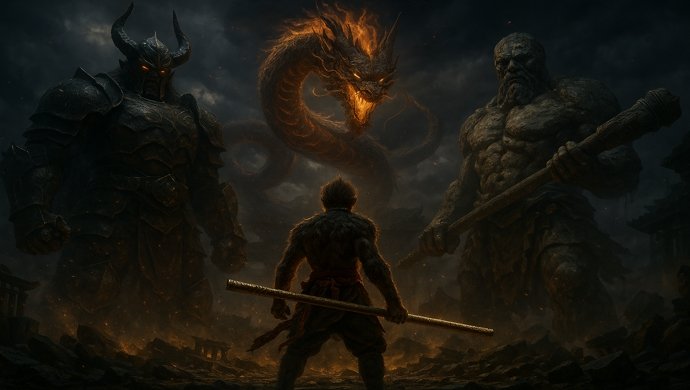
Which confrontations must players overcome to steer the narrative in Black Myth: Wukong? Knowing the key bosses and their place in the story helps to frame the expedition as more than a circuit of optional titan-slaying.
The Core Story Bosses
The journey is underscored by a chain of six bosses that must fall in order to progress. Each of these encounter crowns a chapter by marking a crucial progression in the tale of the Destined One, serving as thematic and mechanical punctuation to the myth’s march from one perilous episode of Journey to the West to the next.
These unavoidable confrontations consist of:
- Multi-part chapter bosses that wrap up every key story arc
- Guardians stationed at entrances to critical narrative zones
- Legendary characters who drive the story’s primary theme
What elevates these duels beyond the optional variety? Compulsory bosses are engineered to verify techniques that the game expects you to master by the chapter’s halfway point.
Compulsory Versus Optional: The Tactical Contrasts
Here’s the intriguing core philosophy: mandatory bosses are structured as formal assessments, intentional places to apply the chapter’s toolkit rather than simple speed bumps. Each battle replays or reframes mechanics set to recur at greater intensity.
Attributes of Compulsory Battles:
- Seamlessly woven into narrative flow
- No alternative routes allow avoidance
- Executed in stages, growth in difficulty each time
- Drops grant pivotal upgrades or new capacities
Attributes of Optional Battles:
- Typically tougher than the narrative gatekeepers
- Dish unique loot and rarely found crafting elements
- Demand intentional, thorough scanning of the game world
- Require fluency in high-level or combination moves
Why This Arrangement Is Significant
The mandatory fights account for close to 60% of major bosses. This design guarantees that every player will cross the cultural and mechanical signature landmark of the narrative, providing a gauge of general competence and shared story action. Optional conflicts, in turn, become honors for the attentive and the meticulous seeker of secrets.
Data analysis reveals that mandatory bosses occupy an average of 8-12 minutes of playtime for skilled players, while optional fights stretch to 15-20 minutes. This trajectory preserves narrative flow while introducing calibrated spikes that signal major milestones and organic pacing.
Grasping this split allows you to assess which battles warrant immediate focus and which serve to enrich the broader experience through diversion and discovery.
how many bosses in black myth wukong
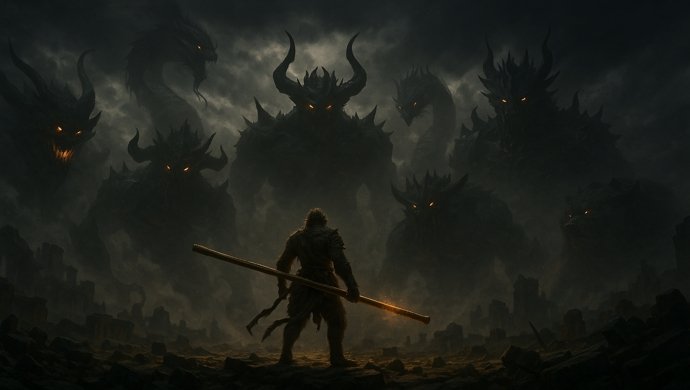
What elevates the epic magnitude in Black Myth: Wukong is its massive compendium of contention—an astounding 81 bosses—rendering this myth-infused odyssey one of the densest gauntlets in modern gaming.
The Numbers That Matter
Dig deeper, and the figures grow provocative: out of the 81 foes, only 6 fuel the narrative drive, while a commanding 75 linger in the realm of the optional. This yields a precise 8% mandatory to 92% discretionary balance that invites a distinctive map of the journey and fundamentally reframes your tactical map of the journey.
Mandatory Boss Distribution:
- One story boss per chapter (6 total)
- Average fight duration: 8-12 minutes
- Essential for narrative progression
- Unlock new areas and abilities
Optional Boss Categories:
- Yaoguai Kings: 17 major optional encounters
- Yaoguai Chiefs: 58 mid-tier challenges
- Secret Bosses: Hidden throughout exploration
Why This Structure Creates Gaming Gold
This design philosophy is magnetic precisely because it caters to divergent playstyles in a single, elegant framework. The 6 mandatory nodes deliver a complete storyline to the casual player, while the 75 optional skirmishes beckon the completionist into a 40- to 60-hour abyss of discovery.
Statistical Impact on Gameplay:
- Story-focused runs: 20-25 hours
- Full completion: 60-80 hours
- Boss density: 1.35 encounters per hour (average)
The Strategic Benefits
Wukong echoes Sekiro’s philosophy of optional super-efforts but escalates it into a final tower of 81 derived lobes and legs of the story. A typology, a symmetry: mandatory to explain and optional to challenge, each delivering variance on the basic lore, weapon tempo, or mutation of encounter pace.