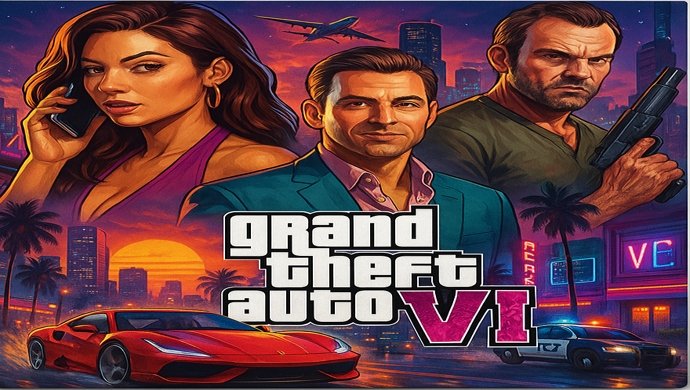
Grand Theft Auto VI arrives burdened with more than anticipation—it’s the result of ten years of patient speculation. Following the record-setting resilience of GTA V, which has thrived over three console generations, and in the shadow of an exceptionally lucrative online ecosystem, the community demands specifics: What’s the concrete launch day? Which machines will run it? What’s the projected price? What innovations warrant such a lengthy delay? And which story will propel the next chapter of open-world crime? This report collates verified information in a tiered, analytical format that accommodates both surface-level scanning and deep-dive inquiry.
What you will learn:
- The finalized release date for Grand Theft Auto VI and its implications for development and future content schedules.
- The launch platforms and anticipated sequels, clarifying how each choice impacts performance and exclusive features.
- Projected pricing for the Standard, Deluxe, and Collector’s editions across current console generation, PC, and cloud.
- Key gameplay innovations that will extend the franchise and define player-to-player and player-world interaction.
- A detailed exploration of the GTA VI narrative, including geography, protagonist ensembles, and recurring thematic concerns.
GTA 6 Confirmed Release Date: What May 26, 2026 Means for the Community
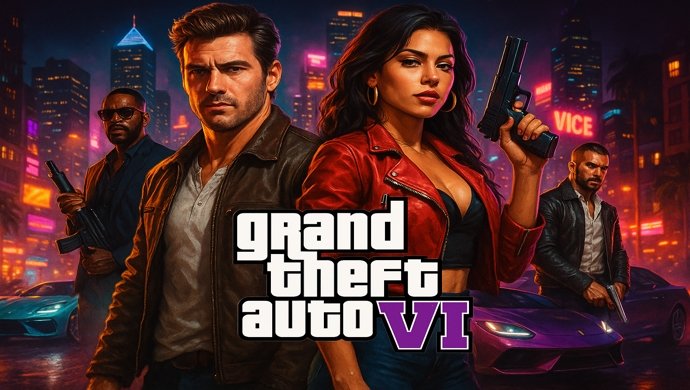
Rockstar’s announcement of May 26, 2026, as the date of release is more than an invitation to mark calendars:
- Timing within the lifecycle: An end-of-May launch avoids the congested fall season, enabling Rockstar to limit friction with returning franchises and claim the spotlight of the early summer news calendar.
- Technical consistency: Additional runway regularly yields greater performance solidification at launch, essential when balancing AI, dynamic streaming, highly detailed physics, and an ever-expanding online ecosystem.
- Strategic engagement: Anticipate an orderly marketing sequence—narrative and gameplay trailers, followed by curated preview sessions and a detailed pricing breakdown for each edition, unfurling 6 to 9 months prior to the event.
Might we see another delay? It remains plausible with a project of this scope, yet the most recent timeline indicates the team has stabilized core architecture and is now focused on optimization, content polishing, and certification scheduling. Industry veterans will recognize this as the phase where frame pacing, memory throughput, and asset streaming come under magnified scrutiny.
Principal conclusion: mentally earmark late May 2026 as the likely delivery window, while remaining vigilant for updates via formal channels. This gives you a head start on platform choice and edition, with a sufficiently wide margin for decision making.
GTA 6 Release Platforms: Where You’ll Play—And Why It Matters

Platform selection is more than a mere bullet point; it shapes frame consistency, visual fidelity, and the advanced features the team can confidently incorporate. Currently, the deployment map is as follows:
Retail Platforms: PlayStation 5 and Xbox Series X|S
- Rationale for current generation alone: the architecture of GTA 6 is predicated on rapid SSD throughput, multi-core CPU scaling, and generous memory bandwidth. This triad enables uninterrupted world streaming, granular AI behaviors, and responsive systems such as procedural weather and layered traffic.
- Performance Goals: The game will run in a Performance Mode targeting 60 FPS with dynamic resolution adjustment, alongside a Quality Mode that emphasizes ray-traced lighting and reflections at a reduced frame rate. On PS5, adaptive triggers and haptic feedback will likely convey nuanced sensations—recoil and ammunition feedback in firearms, engine vibrations in vehicles, and ambient phenomena like rolling thunder, slipping tires, and fracturing glass.
- Implications for You: To secure a balanced, polished experience at launch, either of these consoles stands as the most dependable choice. The Series X will deliver the highest resolution available on a console, while the Series S will focus on frame-rate consistency and efficient resolution scaling.
PC Launch: Expected Shortly After, Offering Broader Customization
Rockstar’s approach is consistent: consoles first, then PC. The advantage for PC gamers lies in fine-tuned control
- Visual Scalability: Frame rate is unlocked, and players can increase object density, extend draw distances, and select the highest-resolution textures. Anticipate support for DLSS, FSR, and XeSS, alongside comprehensive graphics settings.
- Mod Support: The post-launch PC version opens the door to community-led texture packs, custom gameplay modes, and experimental systems that prolong the game’s lifespan and replayability.
- Performance Tools: A built-in benchmark should be included, allowing players to monitor and calibrate performance down to 1% low frame rates and avoid noticeable stutter.
- Should you hold out for PC? If frame rate, ultra-wide support, and the mod community top your list, waiting makes sense. If you prefer to experience the narrative the moment it’s available and avoid spoilers, consoles will deliver the story on day one.
- Legacy Consoles (PS4/Xbox One): Highly improbable. Integrated CPU constraints and reliance on spinning HDDs would impose severe trade-offs on physics, AI density, and open-world streaming, all of which are core to GTA 6’s architecture.
- Cloud Streaming: Feasible—eventually—through subscription services. While latency-sensitive actions, such as steering precision and combat response, will lag behind native performance, this method would permit access on devices lacking the latest silicon.
- SEO consideration: Supported platforms dictate performance ceiling, visual fidelity, and ongoing content pipelines—essential information for consumers deciding the optimal purchase.
GTA 6 Price Overview: Standard, Deluxe, Collector Editions
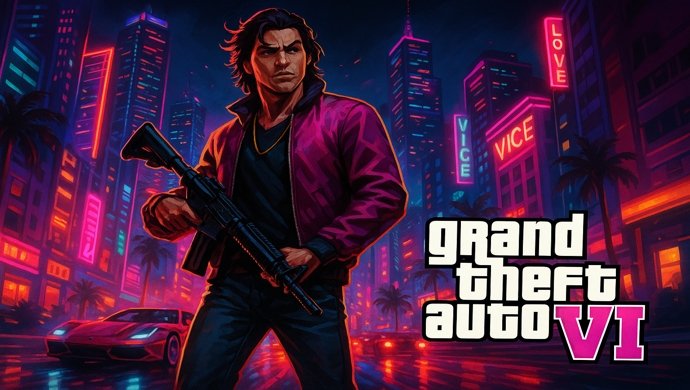
The Grand Theft Auto franchise commands a premium in the market, and the projected pricing for the upcoming release follows the expected AAA structure for 2025–2026:
Bulk of players:
- Standard Edition: $69.99 – $69.99 onconsoles,withPCanticipatedbetween $59.99 and $69.99, depending on specific storefront alignment.
- Deluxe/Digital Deluxe: $79.99 – $89.99, including a curated bundle of cosmetic skins, early access to a select roster of vehicles or outfits, and a compact mission set or targeted online currency boosters.
- Collector’s/Ultimate: $99.99 – $199.99, encompassing curated physical collectibles (detailed map, art book, replicable items) together with founders’ digital content.
Regional pricing practices will calibrate to local market strength, with anticipated variations:
PC storefront rivalry (Rockstar Launcher vis-à-vis Steam and Epic) will shape tiered promotional pools post-launch, while platform-exclusive cosmetics or ephemeral online boons will coexist without diluting the unified basename content.
Microtransactions in the online ecosystem:
- The franchise traditionally deploys premium currency for vehicles, real estate, and cosmetic finishes. Gameplay routes exist for acquisition, but microtransaction pathways remain to accelerate ownership.
- The operational equilibrium must persist: if advancement tracks fairly alongside direct purchase, the optional expenditure retains its auxiliary status.
Purchase guidance by audience type:
- Narrative-centric, spoilers conscientious: Standard Edition, delivered at launch, is wholly sufficient.
- Social and cosmetic investment: Deluxe is justified if ancillary content aligns closely with habitual interaction.
- Physical artifact enthusiasts: Collector’s editions justify their price provided the physical components exemplify durability and remain quantitatively constrained.
What will make GTA 6 resonate as forward motion rather than simple expansion? Four core innovations suggest the future.
A Smarter, Denser City That Remembers You
- Systemic AI: Civilians and officers who learn. Hit the same corner store twice, and the patrols will tighten and the witnesses will tighten the story.
- Environmental persistence: Bullet holes, shattered glass, and your ever-present half-remembered decisions will linger longer—glimmering on high-memory consoles—so when you circle back to a vault you see the scar, not the reset.
- Ownership with purpose: Garages, lofts, and hideouts become live, breathing Q-cells. They store loot, unlock routes, and remind you that each risqué new zone carries logical leverage.
Player impact: Each mission skews the neighbourhood’s profit-and-pain ledger. Go in hot with sirens and sirens will return; tread soft and you carve a longer, quieter arc.
Movement and Combat: Fluid, Flexible, and Responsive
- Combat feel: More consistent recoil, sharper hit reactions, and AIs that pivot, bounce, and slide into cover. On PS5, adaptive triggers calibrate weight—pistol, rifle, shotgun—so your finger translates missile physics.
- Stealth that counts: A symphony of light, sound, and crowd. Slip on a delivery uniform, lower your profile, and the same cop who scanned you into a mugshot now hands you a parking receipts.
- Parkour-lite mobility: Seamless vaults, low pops, and smart ledges that layer into foot chases. You weave the chase as you run it.
Player impact: Multiple viable playstyles are now woven into systems rather than staged cutscenes. Rush in loud and overwhelming, or advance slow and surgical; both paths share equally scalable systems that reward planning and instinct equally.
Vehicles with Meaning and Consequences
- Handling depth: Each surface—wet asphalt, loose gravel, or freshly cut sand—guides the traction model, while weight transfer becomes visceral in a high-speed chase and drifting reveals readable angles.
- Modding with clear trade-offs: An aggressive aftermarket exhaust pipes a rumble that advertises your presence; swapping tags delays the inevitable, while the cops trace visible mods looted from prior jobs.
- Varied, layered navigation: Coastal zones and scattered islands encourage strategic trips—skimming a boat beneath radar or climbing a low flight path. Neither approach is a gimmick; both are route planners.
Player impact: The garage evolves. Each build acts as a mission planner; selecting specific mods or vehicle types at the outset redrafts the op’s possible routes and fallback layers.
Dynamic Weather and World Events That Command Adaptation
- Storm corridors: Squall lines and hurricanes rearrange the streets—trucks drift, water gates rise, and flooded underpasses vanish at night. While bridges are posted closed, demand on the black market triples; the risk multiplies with reward.
- Power and signals: An unplanned outage vanishes street cams, swarms cops into different beats, and slices guard radios. Curfews change foot traffic, alter shop open hours, and give willing players contested hours in the quiet.
Player impact: The map speaks daily. A route labeled safe on Monday’s grid can be underwater, blacked out, or locked by gates on Tuesday night. Adapt or lose.
Heists Reimagined: Branching, Recoverable, and Character-Driven
- Multi-phase prep: Folded nerves decide the op—spreading a rumor to lower guard, breaching a terminal at midday, or slipping through with brute force. Each route hoards different resources, yielding separate escape footprints that corrugate back to open-ended planning.
- Crew AI that matters: Competence, calm in crisis, and unwavering loyalty shape mission results in real time. A rival may decide the chase, or a scared accomplice may drop the loot.
- Fail forward design: An overlooked breach means chaos, not death; it sets off urgency waves that redistribute heat and spotlight pocket lies.
Player impact: Each heist unfolds as a living tale, a canvas where your quirks, plays, and mistakes form the plot, not a pre-set maze that knights one lone answer.
Online Integration: Built for Longevity
- Seasonal content: New rides, hideouts, arcs, and businesses drip-fed on a reliable rhythm, so the wallet keeps spinning.
- Economy tuning: Smoother climbs, inflation brakes, and pace giveaways learned and refined from the prior GTA Online storms.
- Anti-cheat at the foundation: Laid bricks strong for the day we dock on PC and stare at the modded ocean.
Player impact: Commit to the online living world, and you earn a decade’s wave of fresh ideas, sculpted with guardrails that still let you toppple a yard of fair.
GTA 6 Story: Setting, Characters, and Themes That Hit Hard
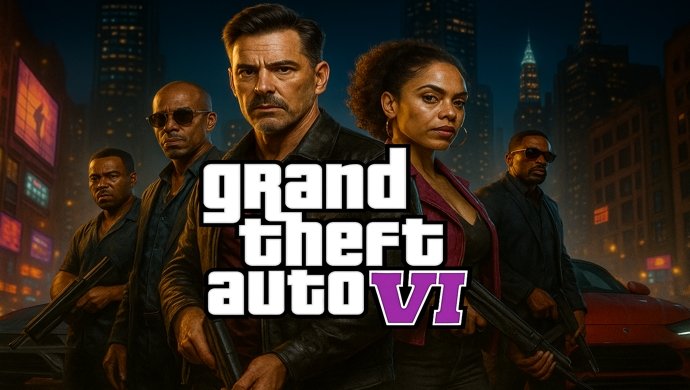
Narrative has always cued the engine—barbed satire riding the wave of crooks with a pulse. GTA 6 keeps that purr, bending it through a broader, daily-lit prism.
Narrative has always cued the engine—barbed satire riding the wave of crooks with a pulse. GTA 6 keeps that purr, bending it through a broader, daily-lit prism.
Setting: A Modern Take on Vice City and Its Surroundings
- Approach a fresh scene of Vice City restitched for now, plus the ribbons that hug it—keys, silk-watered wetlands, long-lit burbs, and threads of asphalt. Reason:
Cultural blend: LatAm veins, neon markets at dawn, the gloss of ocean fortune, and the whisper of cargo that refuses borders.
- Geography as gameplay: Navigable canals create fluid escape routes; shifting storm zones escalate mission jeopardy; narrow causeways transform into chokepoints or lifelines. The environment transcends visual novelty—across weather cycles and daylight shifts, it rewrites how each encounter evolves.
- Protagonists: Dual Leads with Divergent Angles Reports confirm a dual-lead design anchored by a memorable female counterpart—an overdue upgrade. Two lenses braid missions into a single narrative: reconnaissance and strike, covert breach and urgent exfiltration. Co-ordinated spectacle emerges less as scripted design and more as lived play.
- Choice and consequence: Alliances, shifting loyalties and faction credit fence off or open caches of hardware, intel, and mission branches. The player does not spectate a crime epic; they navigate one, trading competing values and mounting pressures.
- Themes: Ambition, Influence, and the Cost of Scaling Up The saga bites hardest when grafted to lived experience. Look for barbed commentary on:
Tourist booms and busts of the real-estate cycle
Crypto pumps and influencer toxicity
Cross-border pipe networks for goods, capital, and digital ghosts
Climate instability as narrative and as rule.
The narrative is, at once, comically subversive when it pivots and savagely on target the instant it pivots again.
Heists as Narrative Anchors
At the heart of the campaign, grandiose heists will serve as compulsion loops, braided with diverging preparatory routes and an array of closing sequences. Failure will be recontextualized as drama rather than loading, allowing the campaign to weave every slip into its continuing story. Envision character-centric escalation: your choices will determine when loyalties harden into steel and when they buckle as the temperature climbs.
How It All Connects: Release Date, Platforms, Pricing, and Play
Here are the order-of-magnitude details so you can blue-chart accordingly:
- Release Date (May 26, 2026): This schedule affords Rockstar the runway to refine the experience, calibrate its marketing, and sidestep the autumn saturation. Mark the date in ink, but remain attentive to the channels for official recalibrations.
- Release Platforms: PlayStation 5 and Xbox Series X|S will be the launch bed, ensuring the most polished evening-one immersion. A PC release will follow, capitalizing on expanded performance ceilings and the additional geometry of community mods.
- Pricing: The standard edition sit at $69.99 and will serve the story-first constituency best. The deluxe and collector tiers justify themselves to collectors of digital couture, live-service accelerants, or physical artifacts. Anticipate a tested premium currency schema in the online mode, calibrated for gradual yet engaging progression rather than friction.
- Features: A city that files your dossier, elevated AI, mutable weather, sympathetic vehicle inertia, and heists that shift and recover on the fly. These frameworks indicate density of play rather than mere topological expanse.
In sum, Grand Theft Auto VI emerges as an enterprise whose promise transcends raw chronometric benchmarks. The May 26, 2026, deployment horizon suggests both certainty and composure, while the current-generation hardware empowers Rockstar to exploit ultra-fast storage, distribute workloads across full core counts, and deploy ray-traced illumination without compromise. Pricing strategy will adhere to the familiar ascending bracket, thereby eschewing the distraction of novel monetization paradigms.
Greater import lies in an emergent design philosophy. The title evidently shifts decimal-minded scale in favour of interdependent variables: weather phenomena that reroute Strategy, AI agents whose decisions accumulate upon observation, and elaborate heist apparatuses that reconstitute mistake into emergent narrativization. When this is anchored to a Vice City-echoing topography and a tumbling twin-protagonist structure, the campaign acquires layers of dissimilarity, meaningful result, and durable personhood.
For rookies jumping in the instant it drops, grab the PS5 or Xbox Series X|S Standard Edition unless you’re fixated on in-game cosmetics and subscription bonuses. Those who chase exceptional graphics and deep modding will want to hold out for the later PC launch. Regardless, the forthcoming Grand Theft Auto is engineered to exceed sheer size and instead deliver a world that pulses with its own energy. If Rockstar nails it, the game may well redefine open-world aspirations for the entire generation.